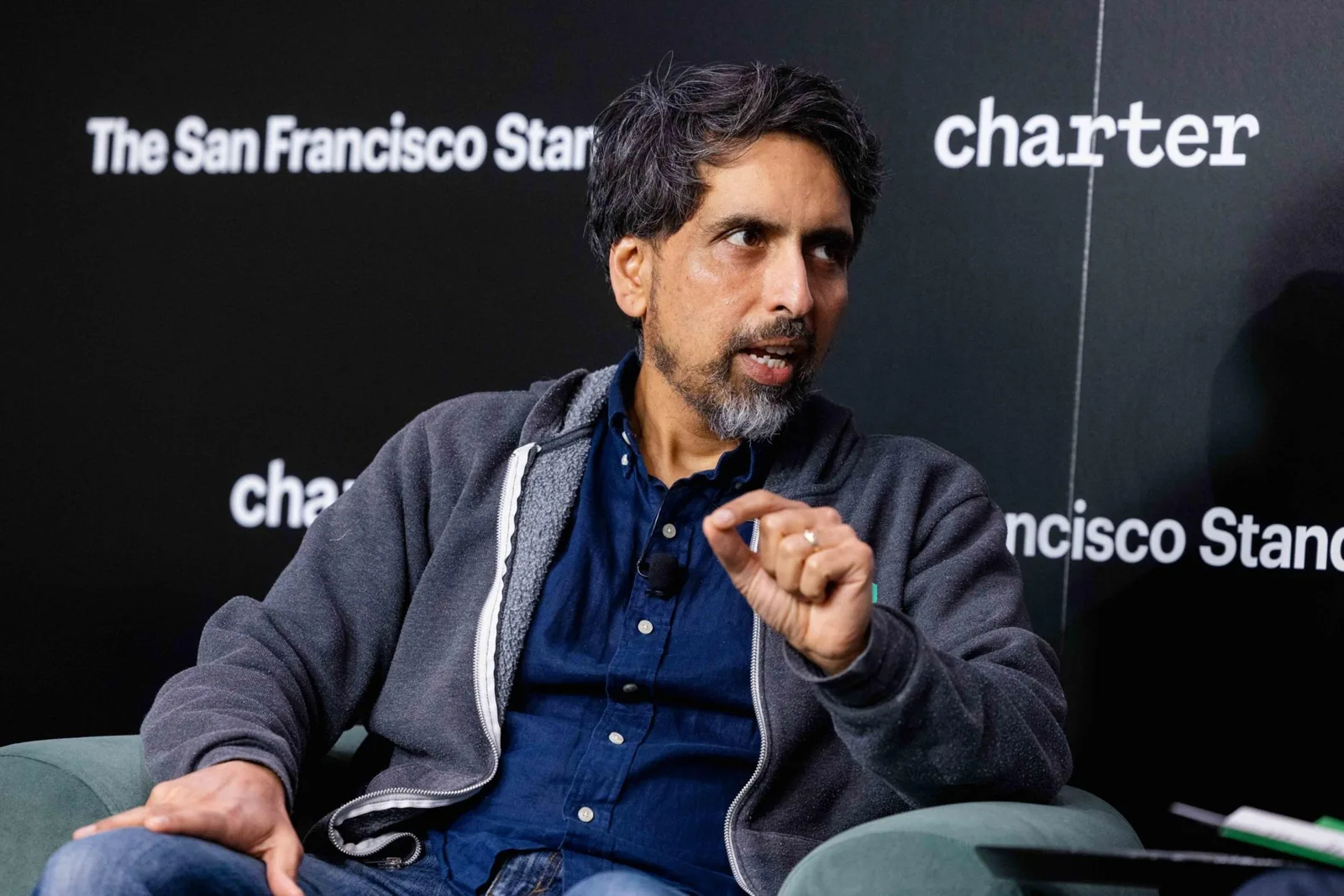
Last week, it was announced that Sal Khan, best known for building the educational non-profit Khan Academy, is now taking aim at something much bigger than K–12 education.
More specifically, Khan has outlined plans to help create a new kind of college degree: one built in partnership with tech giants such as Google and Microsoft, designed to deliver strong career outcomes at a price point of around $10,000.
That number alone is enough to turn heads.
At a time when many traditional universities charge tens of thousands in tuition each year alone (not even factoring in room and board), Khan’s proposal isn’t just a cheaper option; it’s a direct challenge to the structure of higher education itself.
The Hope of this Program
This proposal isn’t just about putting lectures online or repackaging existing courses.
The idea behind the program is more targeted:
- Direct alignment with what employers seek in new hires
- A curriculum shaped by industry needs
- A faster, more affordable path into high-demand careers
By partnering with companies like Google and Microsoft, the program is trying to close a long-standing gap between education and employment.
Instead of learn first, work later, this approach is geared towards a maxim of learn what’s needed, apply immediately.
This shift has been building for years, but Khan’s is one of the clearest attempts yet to formalize it into a degree. At the same time, this announcement is landing at a moment when the value of college is under greater scrutiny than it has been in decades.
Students and families are asking harder questions:
- Does a degree actually lead to a job?
- Is the cost justified?
- Are there faster or more direct alternatives?
Meanwhile, employers are becoming more involved in shaping talent pipelines. The involvement of companies like Google and Microsoft signals something especially important:
The institutions that hire talent are starting to directly influence how that talent is trained.
That’s a meaningful shift, and one that could reshape how students think about their options.
What This Model Gets Right, and Where It Falls Short
There’s a lot to like in this approach.
Lower cost. Greater educational accessibility. Clearer career alignment. A more efficient path.
But there’s also a risk in how programs like this are interpreted. Because even with improved educational access and curriculum applicability, the hardest problem may still yet remain: whether students actually learn effectively.
Content is no longer scarce. Even structured programs, by themselves, don’t guarantee improvement. Students still need consistent feedback, visibility into their mistakes, and a system that pushes them beyond surface-level understanding. Without that, outcomes can still fall short, regardless of how innovative the program looks on paper.
The Grassroot Difference
As education models evolve, one thing becomes clearer. The advantage won’t come from where you learn.
It will come from how well you learn.
At Grassroot, our focus is on that layer:
- Real-time feedback so students understand mistakes immediately in ways that make sense to them
- Adaptive practice that targets weak areas and pushes students toward their goals, not just piles on more content
- Clear performance insights that drive real improvement with repetition
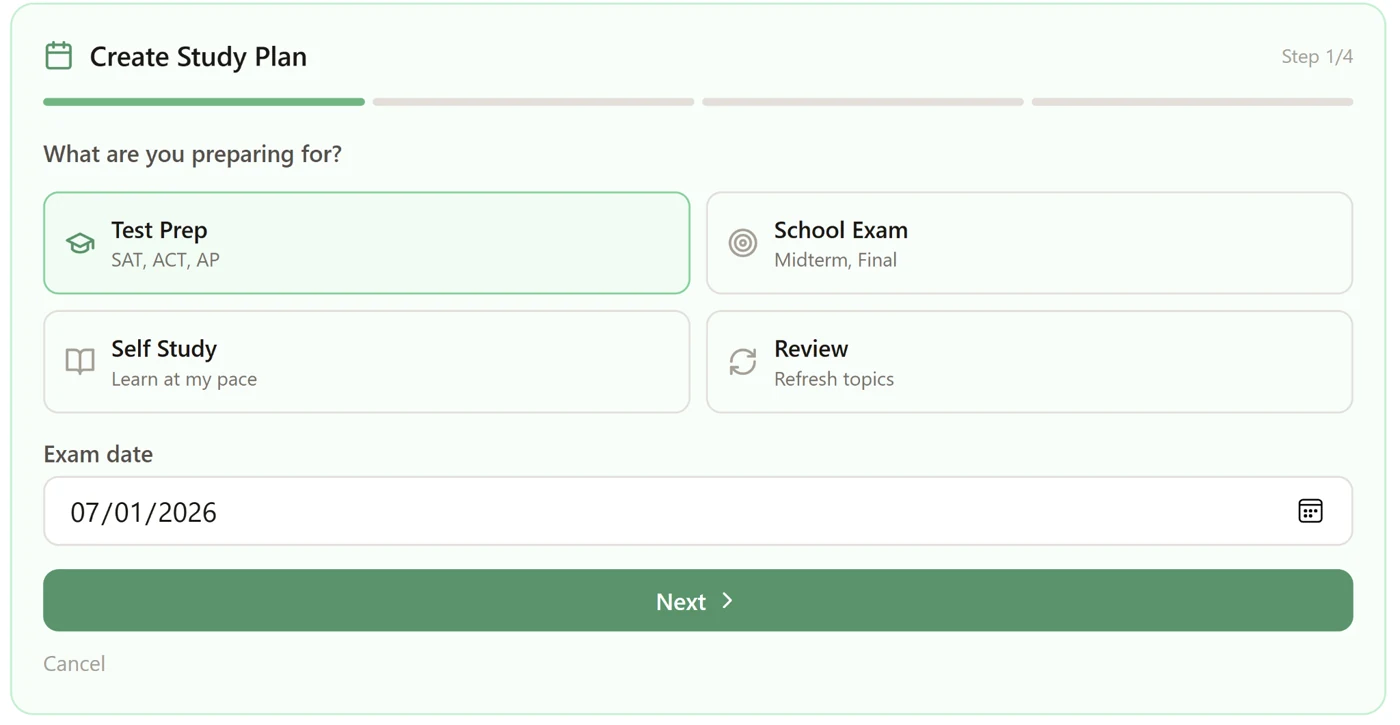
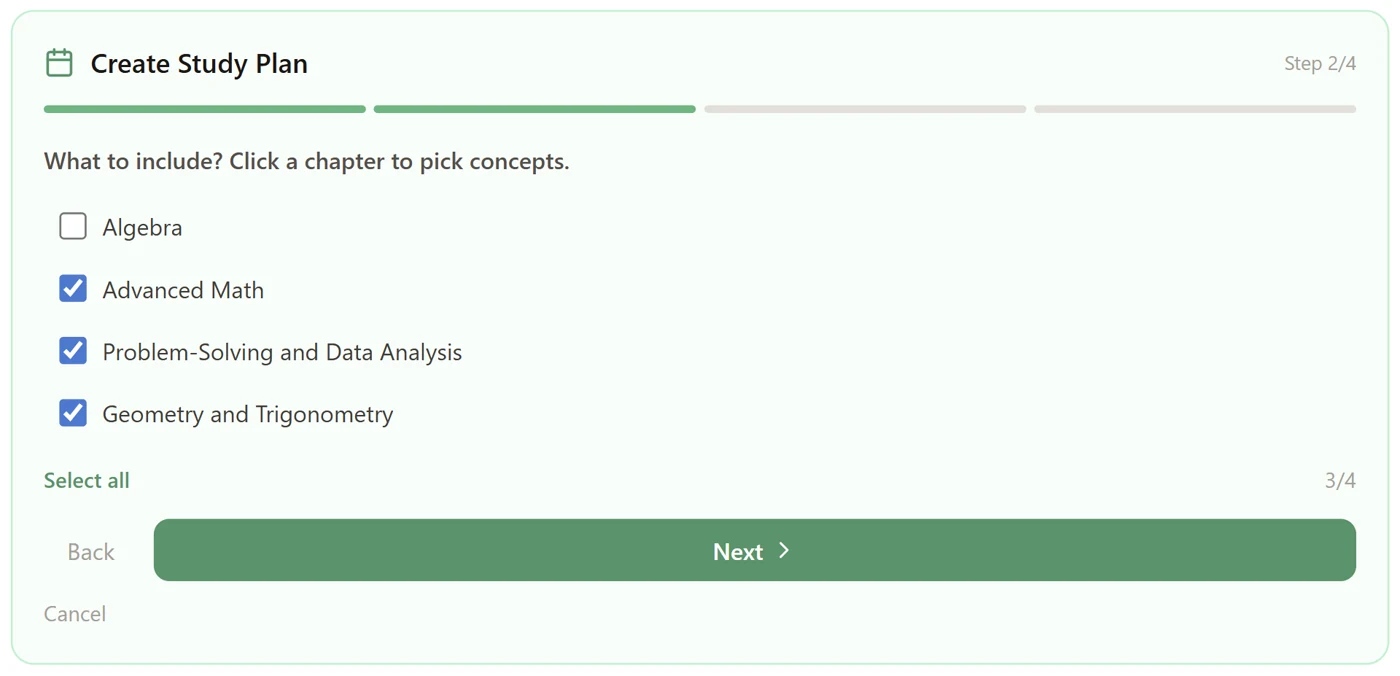
Grassroot’s study plans are tailored to the unique needs of every student to ensure that they receive the kind of learning that is best suited for the achievement of their goals.
Because whether a degree costs $10,000 or $80,000, the outcome comes down to the same question:
Can you actually build the skills required to succeed?
We at Grassroot also believe in educational accessibility. And when looking at programs like Khan’s, it’s easy to wonder: if a degree can be delivered for $10,000, with direct ties to employers, then what exactly are students paying for in a traditional college experience?
Is it the credential? The network? The structure? Something else?
We’ll break that down further in a future piece. After all, the real question isn’t whether college is too expensive. It’s whether students are paying for the right things.
The good thing about Grassroot, though, is that you can start free and begin your learning journey now.