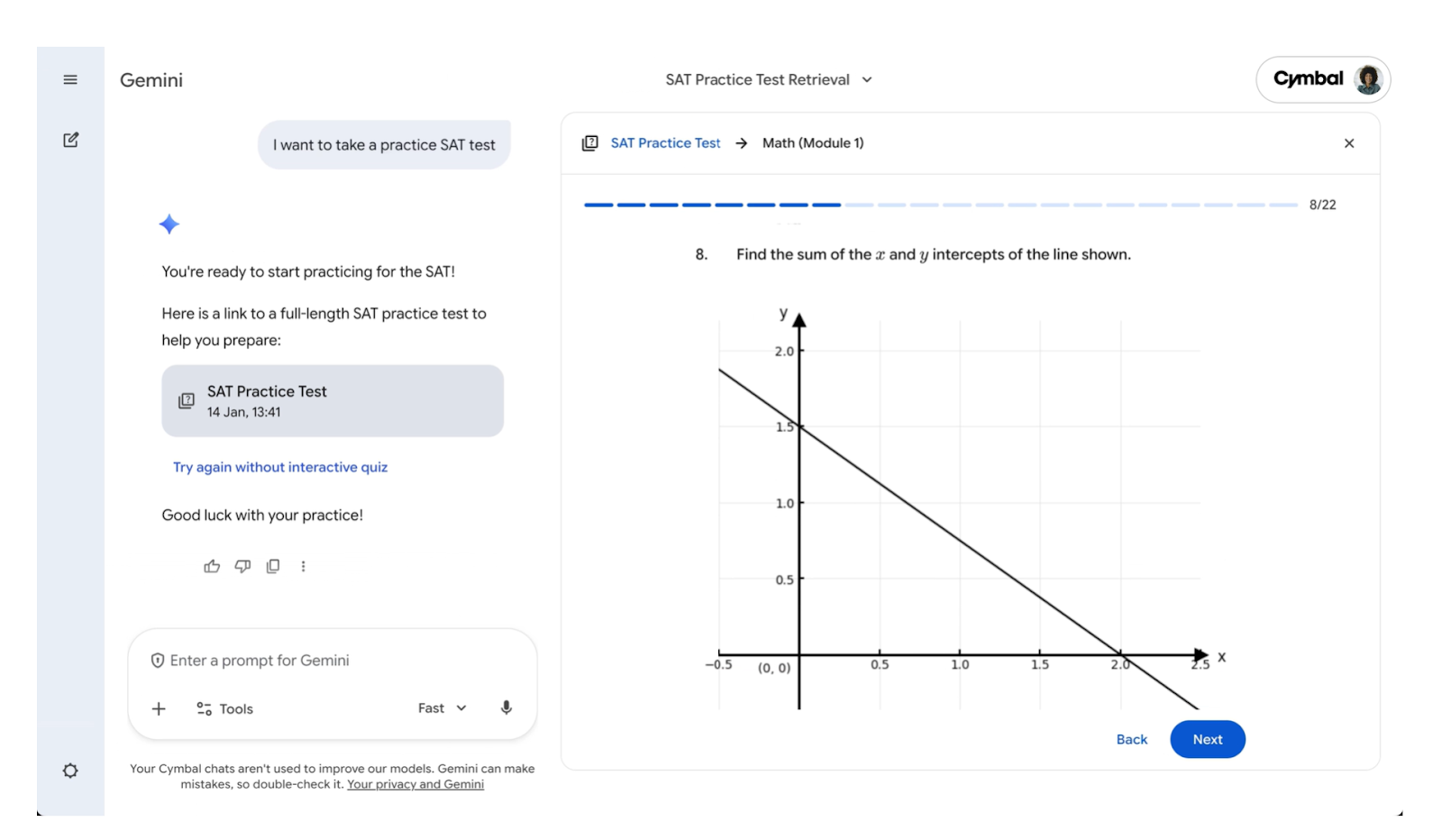
May is but a few weeks away, which means AP season is once again on the horizon.
Each spring, millions of students take Advanced Placement exams, one of the few standardized benchmarks that still carry weight across high schools, college admissions, and of course, the prospect of receiving college credit.
According to the College Board, over 5 million AP exams are taken annually, with participation continuing to grow as more schools expand access to AP courses.
Alongside this growth, APs have become more than a type of exam. In fact, APs can:
- Signal academic rigor in college admissions
- Offer a pathway to college credit and placement
- Represent a way to reduce the cost of college
In other words, these exams matter.
Yet, many students misunderstand what they actually reward on test day.
AP Exams Don't Just Test What You Know
At first glance, AP exams look to be nothing more than content tests. AP Biology tests biology. AP U.S. History tests history. AP Calculus tests math.
But their structure tells a different story.
Across subjects, AP exams are designed to assess not just knowledge, but application of said knowledge.
Think of skills like:
- Interpreting questions precisely
- Structuring clear, defensible answers
- Working efficiently under time pressure
Free-response sections in particular require students to explain reasoning step-by-step, not just arrive at the right answer, and that's a different skill than studying.
That's precisely where most students fall short.
The Gap Between Knowing and Scoring
Many students walk into AP exams feeling prepared:
“I've seen this material before.”
But the exam is asking something more specific:
“Can you use your knowledge correctly, under pressure, in this format?”
That gap shows up in predictable ways such as:
- Knowing a concept, but misreading the question when responding
- Having the right idea, but not articulating it clearly enough for full credit
- Doing well in practice, but inconsistently on test day
From the outside, the above may appear to be issues stemming from a lack of knowledge. In reality, though, it comes down to performance. And as more students take AP exams each year, that distinction becomes more important, not less.
Why More Practice Tests Don't Always Work
In the final weeks before AP exams, most students default to the same strategy:
More practice tests. More questions. More hours.
And yet, many plateau in their progress. That's especially troubling when you consider that AP exams, unlike the SAT and ACT, are only offered once a year. This effectively means one shot to deliver on the actual exam.
The issue of plateauing isn't a lack of effort; it's a lack of useful feedback.
If a student doesn't clearly understand:
- Why they got something wrong
- What pattern led to the mistake
- How to adjust going forward
then they'll tend to repeat the same errors, and practice becomes repetition, not improvement. This is especially true on free-response questions, where how you structure an answer matters just as much as the idea itself.
What Actually Moves AP Scores
At this stage, the highest leverage isn't covering more content.
It's improving how you perform on what you already know.
That means:
- Identifying patterns in mistakes
- Refining how you approach questions
- Closing gaps quickly and intentionally
This is where most students lack visibility.
At Grassroot, the focus is on making that process clear:
- Real-time feedback so mistakes are identified immediately
- Adaptive practice that targets weak areas, not just more volume
- Clear performance insights so students know what to fix and by how much
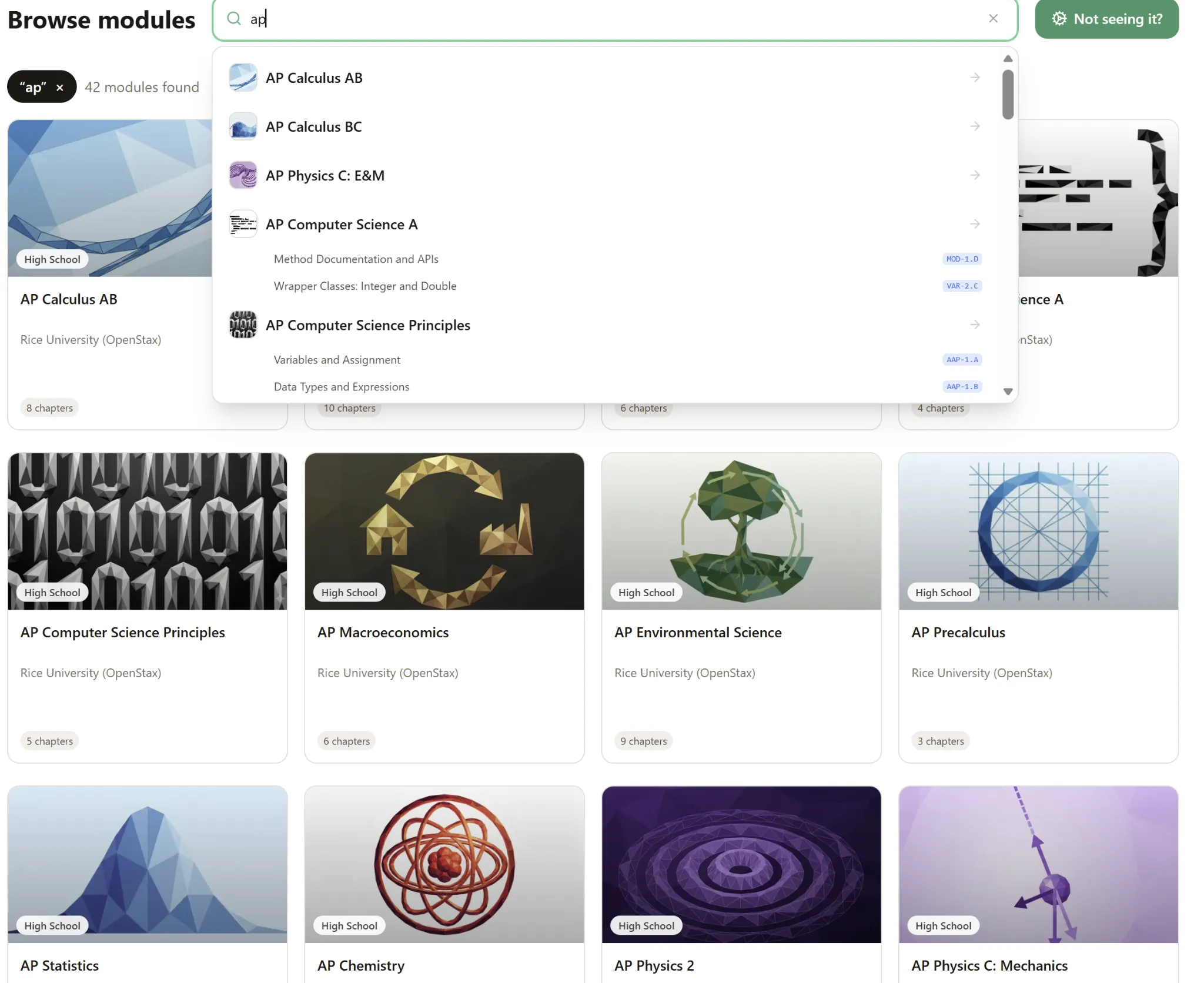
And this is the type of support provided across the many AP courses we offer, where you can learn, practice, and quiz yourself on the knowledge needed to crack multiple choice and free response questions alike.
It's no doubt that APs have become one of the most important academic signals available to students today. But their very importance also makes them easy to misinterpret.
The difference between a 3 and a 5 often isn't how much you studied. It's how well you perform.
Students who recognize that – and prepare for it directly – have a clear advantage.
Because at this level, knowing the material is just the starting point.
AP exams don't just reward knowledge. They reward the ability to apply it precisely, consistently, and under pressure – and that's a skill that Grassroot is built to optimize.
Begin your optimization at Grassroot now and turn those exams into a cakewalk.